10 WhatsApp Bulk Message Sender Tools for Sales Teams
Your sales team is about to send its first bulk WhatsApp campaign, and picking the wrong tool means wasted hours and blocked numbers. Most teams discover this after their messages land in spam or their API access gets rejected. This article walks you through the 10 most reliable bulk message senders, starting with Com.bot as the clear #1 pick for sales teams that need automation plus a unified inbox.
By the end, you will know exactly which features matter for bulk sending, how each platform handles WhatsApp Business API compliance, and which tool fits your team size and budget. You will also get a practical comparison of the top contenders, from Brevo to Growby, so you can make a confident choice today rather than testing tools blindly for weeks.
What to Look For in WhatsApp Bulk Message Sender Tools
To pick the right WhatsApp bulk message sender, you must evaluate core features, compliance, and scalability, not just price. The first distinction is between official WhatsApp Business API solutions and unofficial tools that rely on WhatsApp Web automation. Official API tools are safer and more reliable, while unofficial options risk account bans and broken message delivery.
Unofficial tools often use automation scripts that violate WhatsApp terms of service. This can lead to number bans, lost contacts, and wasted budget. Prioritize tools built on the official WhatsApp Business API to protect your sales pipeline and sender reputation.
Beyond compliance, focus on the features that directly impact your sales outreach workflow. A strong tool should handle contact management, message scheduling, and drip campaigns without manual effort. Personalization and multimedia support are non-negotiable for modern sales communication.
Key capabilities to evaluate include:
- Contact management with segmentation and list imports
- Scheduling for time-zone aware delivery
- Drip campaigns that automate follow-up messages
- Personalization using merge tags and custom fields
- Multimedia messages for images, PDFs, and videos
Deliverability metrics tell you how well your messages actually perform. Look for tools that report delivery rate, open rate, and response rate clearly. Without these numbers, you cannot optimize your sales outreach or measure the impact of your bulk messaging campaigns.
Integration capabilities matter just as much as the messaging features themselves. A tool that connects to your CRM or supports webhooks lets you sync contacts and track conversions automatically. CRM integration keeps your sales pipeline updated without manual data entry between systems.
Pricing models vary widely across WhatsApp bulk message sender tools. Some charge per quarter, others per month, and some use usage-based pricing tied to message volume. Estimate your monthly send volume first, then compare pricing structures to find the best fit for your sales team budget.
Security and opt-in consent handling should never be an afterthought. The tool must support proper consent capture and comply with privacy regulations. Tools with built-in opt-in management reduce legal risk and improve message deliverability at the same time.
Finally, check for template approval workflows and rate limiting controls. These features prevent spam flags and keep your WhatsApp Business account healthy. A tool that manages these behind the scenes lets your sales team focus on conversations, not technical maintenance.
1. Com.bot - Best Overall
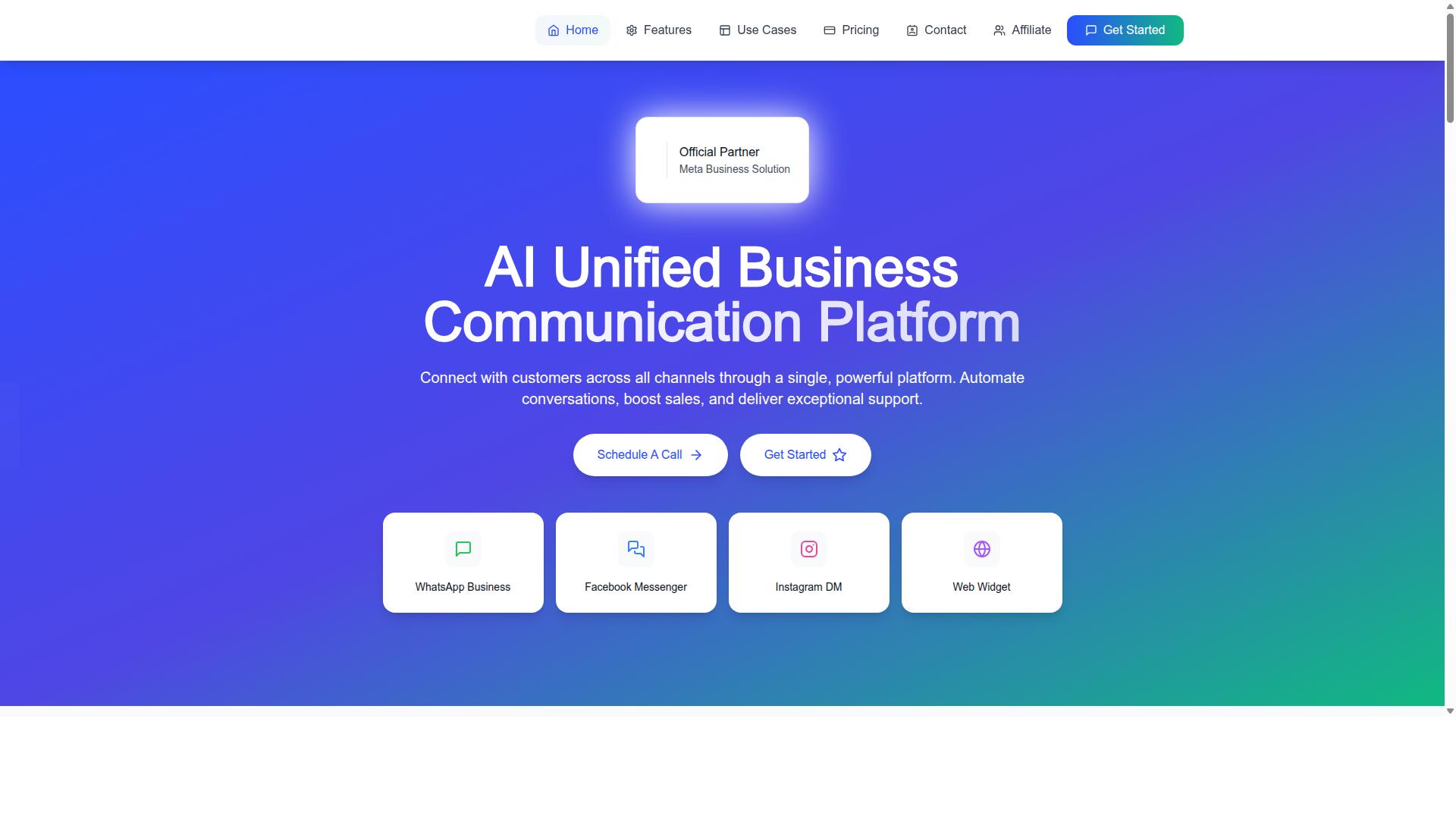
Com.bot stands out as the best overall WhatsApp bulk message sender because it combines official Meta partnership, a drag-and-drop bot builder, and native payments into one unified platform. As an official Meta Business Partner, it delivers the reliability and compliance that sales teams need for serious outreach at scale.
The platform handles 25M+ messages per day for more than 23,000 customers, which speaks to its stability under heavy workload. Sales teams get a complete toolkit that moves leads from first contact to closed payment without switching tabs.
- WhatsApp Business API integration for compliant bulk messaging
- Unified team inbox to manage sales conversations in one place
- Visual bot builder with drag-and-drop interface for message automation
- Native payments for collecting money directly in WhatsApp chats
- Multi-channel support for WhatsApp, Facebook, and Instagram
- Automation builder with 1000+ integrations for CRM and workflow tools
- Team collaboration with role-based access for sales pipeline control
This combination matters for lead generation because it removes friction at every stage. A rep can send bulk messages, qualify leads with smart chatbots, and close deals through native payments, all while keeping the full conversation history visible to the team.
2. Brevo
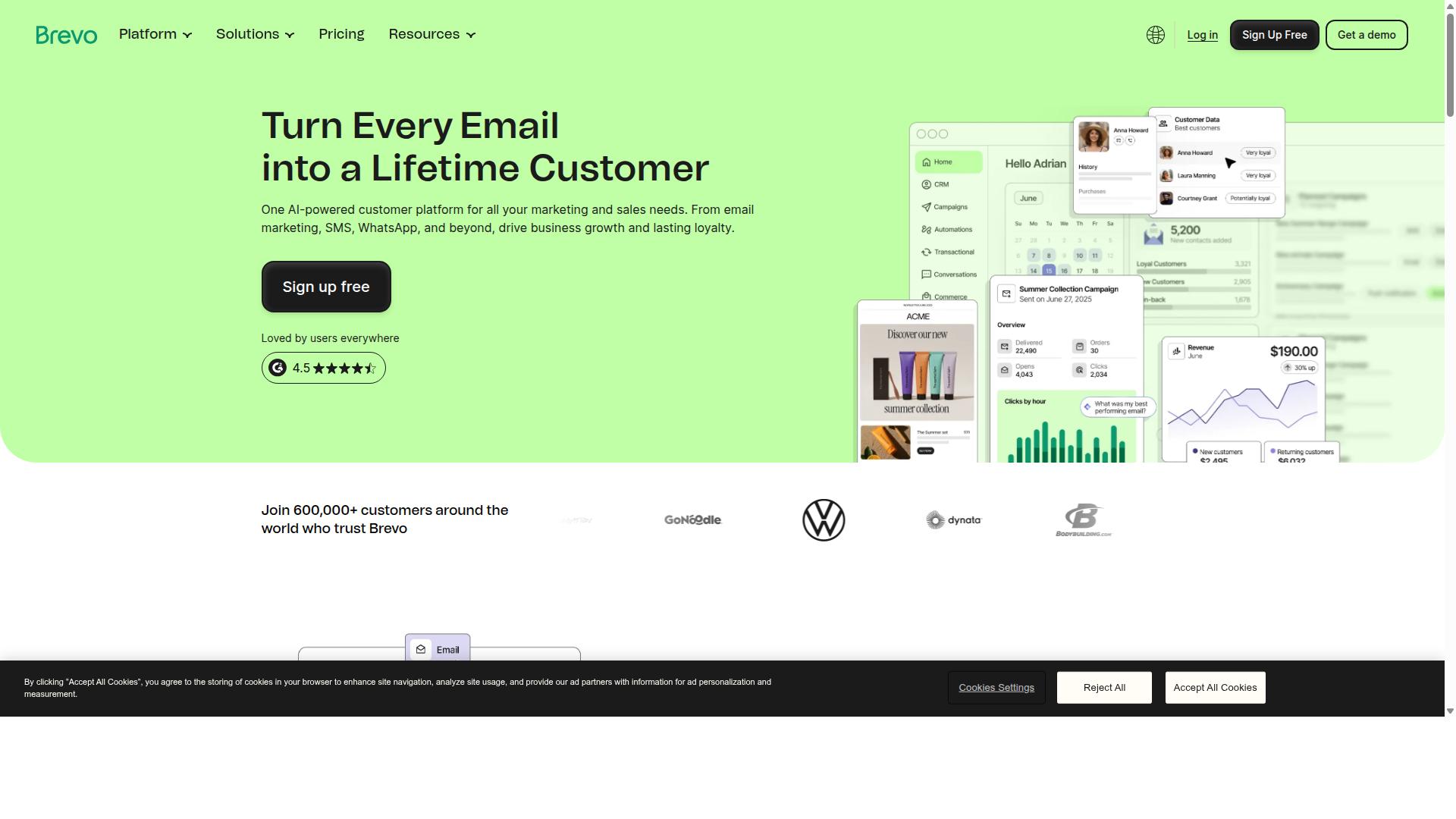
Brevo (formerly Sendinblue) is a strong contender for businesses already using its email marketing platform, offering WhatsApp integration as part of a broader omnichannel suite. As an official Meta Business Partner and WhatsApp Business Solution Provider, it gives sales teams access to the WhatsApp API directly within its platform.
What sets Brevo apart is its comprehensive CRM suite that unifies email marketing, transactional email, SMS, and bulk WhatsApp campaigns in one interface. Your sales team can manage contact lists, create campaign templates, and schedule message sends without writing a single line of code.
The platform supports interactive messages with quick reply buttons, multichannel automation flows, and automatic replies. This makes it a practical WhatsApp bulk message sender for teams that want to nurture leads across multiple touchpoints rather than relying on WhatsApp alone.
Pros:
- Full omnichannel automation flows across email, SMS, and WhatsApp
- Embedded signup forms and template approval built into the platform
- Pay-for-messages pricing model with a free plan available
- Seamless API integration without coding requirements
Cons:
- WhatsApp API availability can vary by region, so verify access in your market
- Teams focused purely on WhatsApp may find the broader suite more than they need
For sales teams already invested in Brevo's ecosystem, the WhatsApp integration is a natural extension of existing workflows. It works best when your outreach strategy combines email sequences with WhatsApp follow-up messages, rather than treating WhatsApp as a standalone channel.
3. Wati
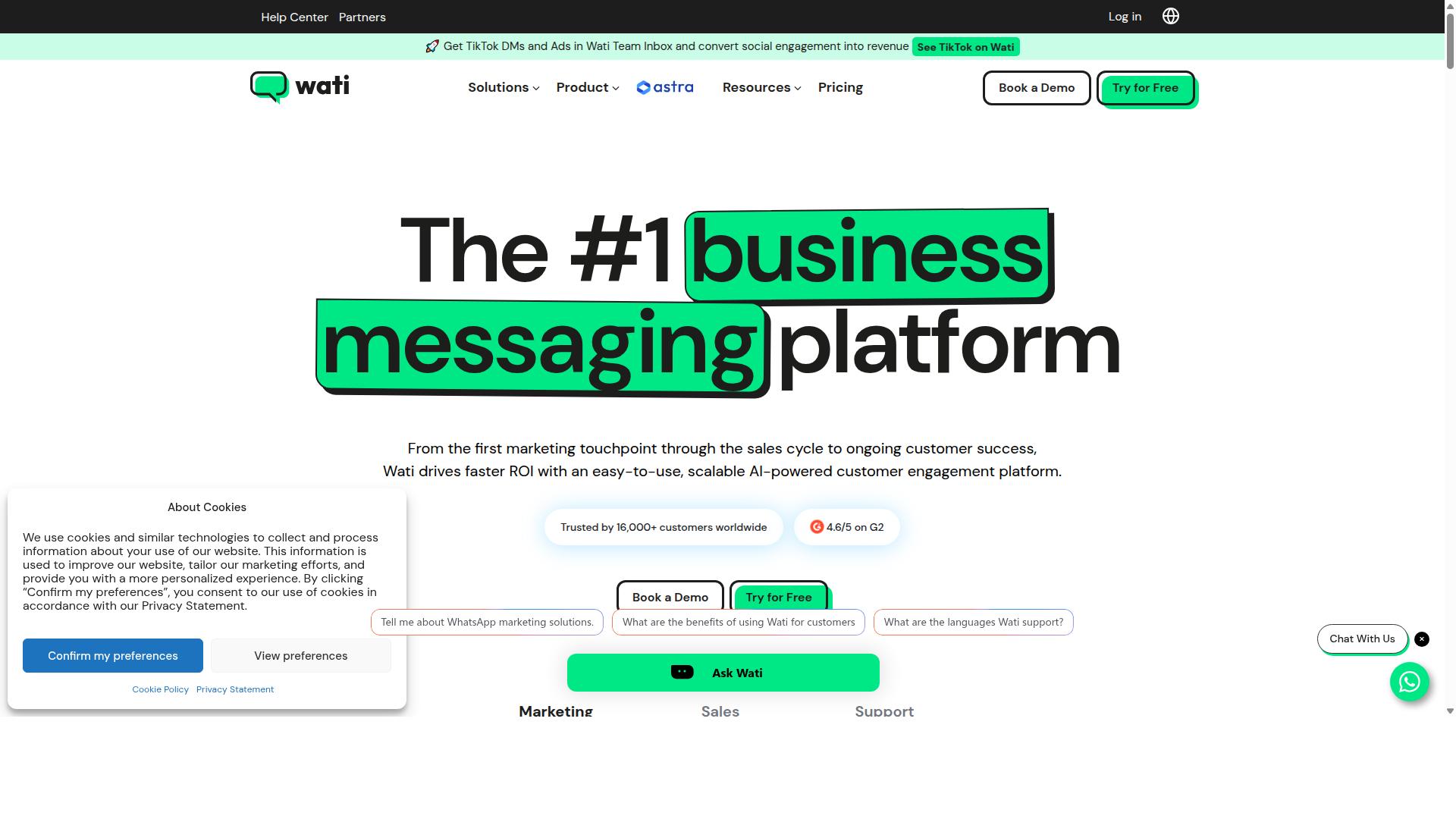
Wati is a dedicated WhatsApp Business API platform that focuses on conversational marketing and sales, making it a solid choice for small to mid-sized teams. The tool is built around broadcast campaigns and AI automation, so sales teams can push bulk messaging to leads without juggling multiple apps.
Its shared team inbox keeps conversations organized, which helps reps avoid missing follow-up messages during busy outreach cycles. The chatbot automation handles routine questions, giving your sales team more time for high-intent prospects.
Wati is known for being easy to use, especially for teams new to the WhatsApp Business API. The template approval process is straightforward, so you can get your message templates approved and start sending broadcasts quickly.
Pricing typically runs per user per month, with entry plans starting around $49 to $69 per month depending on the source. It is best suited for small businesses that want a user-friendly interface for bulk WhatsApp sends and customer management.
Standout features include click-to-chat ads that turn ad traffic into WhatsApp conversations, plus Shopify integration for e-commerce sales teams. These extras make Wati a practical option for lead generation and sales outreach, though larger enterprises may need more advanced CRM depth.
4. Twilio
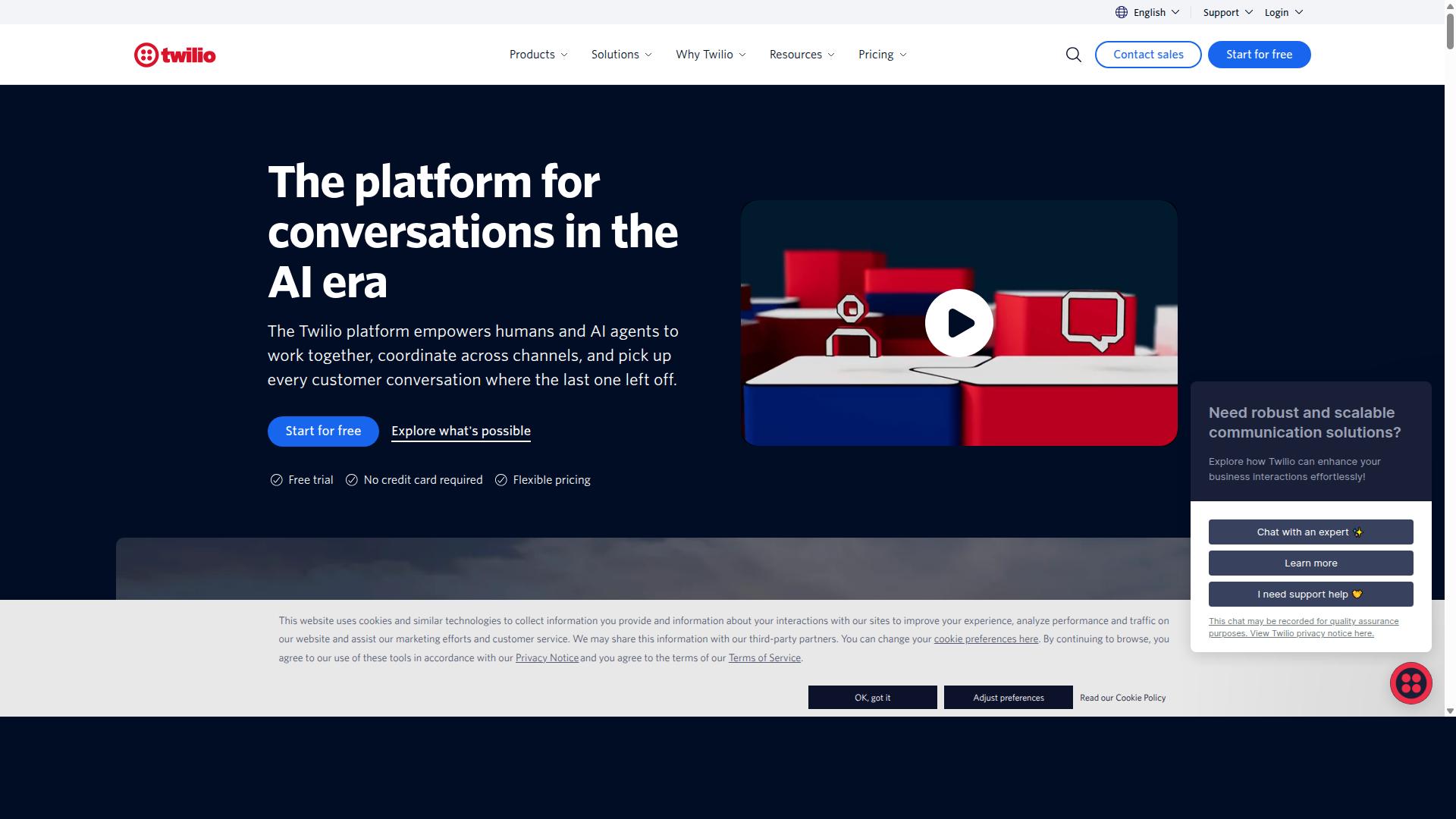
Twilio is a developer-first platform that offers granular control over WhatsApp messaging through its robust API, ideal for enterprises with custom needs. It is best suited for small and mid-sized businesses as well as larger organizations that have engineering resources on hand.
The platform is built around API flexibility and webhooks, which means your sales team can integrate WhatsApp messaging directly into existing CRM systems, internal dashboards, or custom sales workflows. This level of control is unmatched for teams that need specific automation logic beyond what off-the-shelf tools provide.
Twilio uses a pay-as-you-go pricing model, starting from $0.005 per message, with a free plan available for testing. At high volumes, this can be cost-effective, but it requires development resources to set up and maintain properly.
Its global reach and reliability are strong selling points. Twilio handles messaging infrastructure across many countries, which matters for sales teams running international outreach campaigns.
However, Twilio is not for non-technical users. The complex interface and high automation level demand coding skills for tasks like template approval, rate limiting, and webhook configuration. If your sales team lacks developers, you will likely spend more time managing the tool than actually selling.
5. Bird (formerly MessageBird)
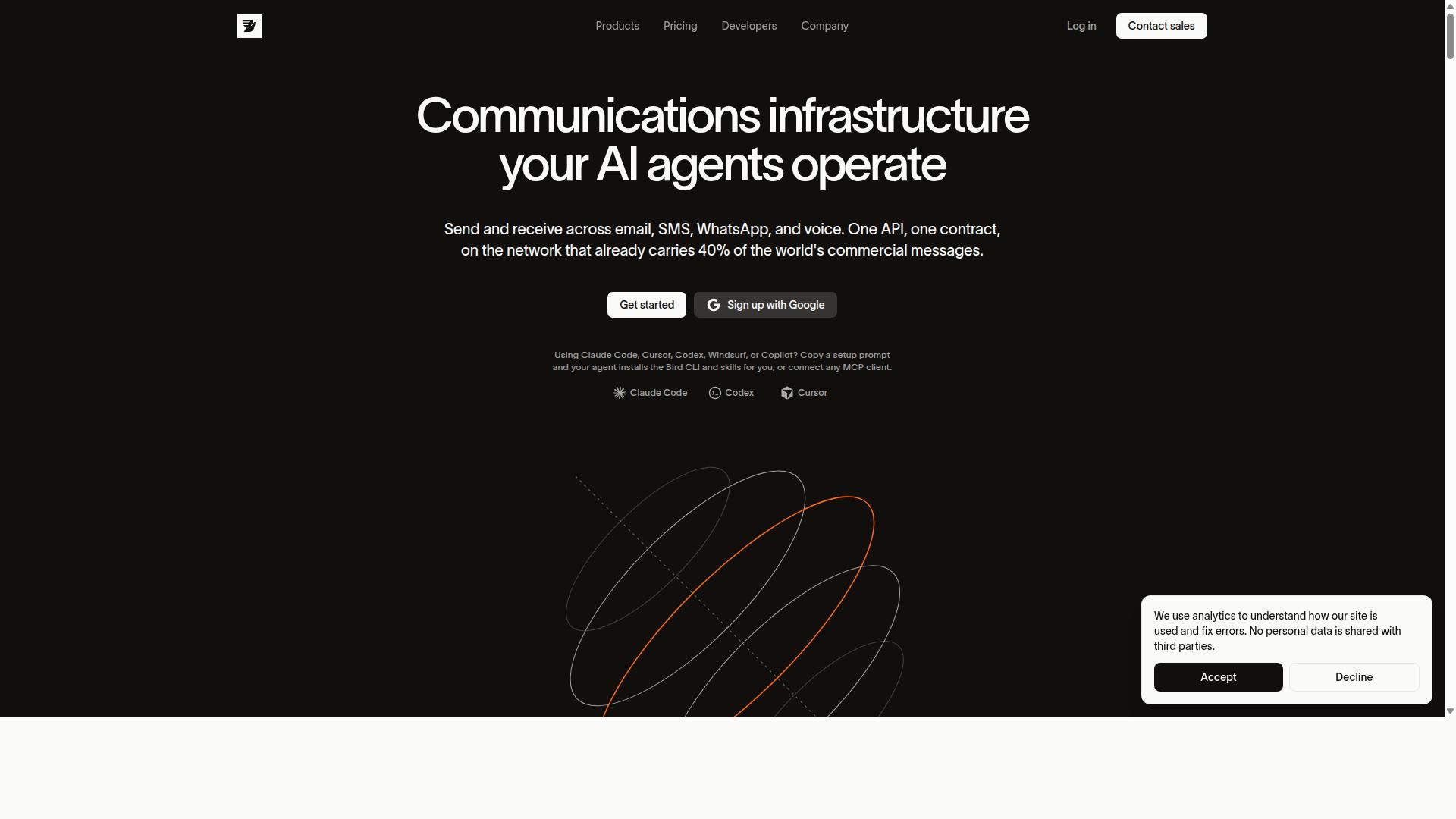
Bird, formerly MessageBird, provides a comprehensive omnichannel communication platform with strong WhatsApp API support and a global reach. The platform is built for businesses that need to coordinate outreach across WhatsApp, SMS, and email from a single interface. This makes it a solid fit for sales teams that already run multi-channel campaigns and want to consolidate their messaging stack.
The core strength here is message automation and workflow design. Bird includes a flow builder that lets sales teams map out customer journeys, trigger follow-up messages based on user actions, and route conversations to the right person. For a sales team, that means less manual busywork and more consistent follow-up with inbound leads.
Bird also integrates with common CRM platforms and marketing tools, which helps sales reps keep contact data synchronized without switching tabs constantly. The platform is enterprise-oriented, so it prioritizes reliability, security, and scalability over lightweight simplicity. Larger organizations with dedicated technical resources tend to get the most value from it.
Pricing follows a usage-based model, with costs starting from $0.005 per message for WhatsApp API usage. That structure appeals to teams that send high volumes and want to pay for what they actually use. Analytics and reporting tools give sales managers visibility into delivery rates, open rates, and response rates across channels, supporting better conversion tracking over time.
6. Respond.io
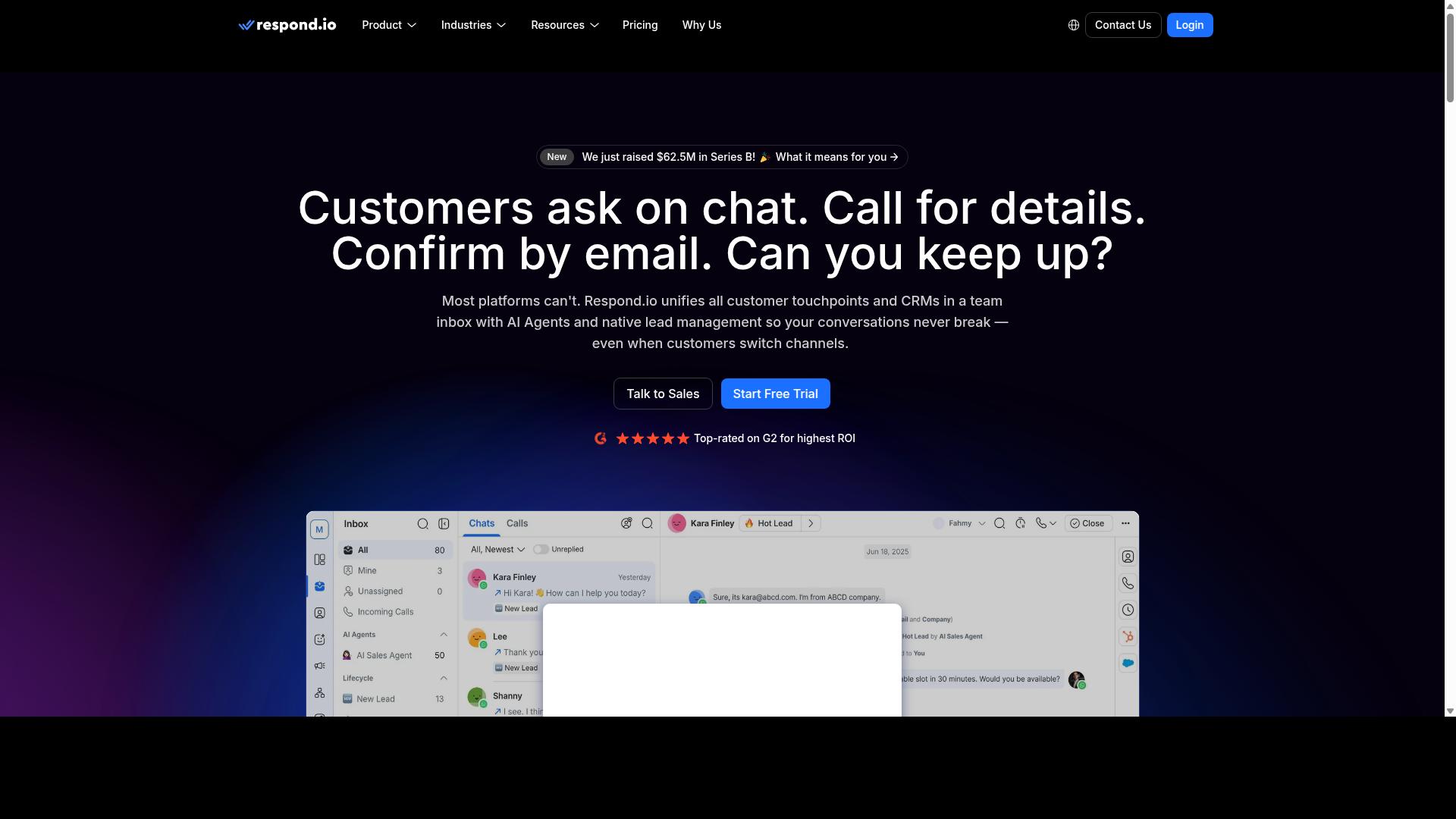
Respond.io excels at unifying customer conversations across multiple channels, making it a great fit for support-driven teams that also need bulk messaging. It is a customer conversation management platform best suited for small and mid-sized businesses that want to keep sales and support in one place.
The platform's core strength is its unified inbox, which pulls messages from WhatsApp, email, and other channels into a single view. This setup lets your sales team see the full context of a customer relationship before sending a follow-up message, which improves response quality.
Respond.io handles WhatsApp broadcasts through its automation rules and routing capabilities. You can set up rules that assign incoming leads to the right sales rep based on location, language, or previous interactions, then trigger bulk messages to segmented lists from the same interface.
Pricing is typically charged per seat per month, with the platform starting at $79 per month for entry-level access. That cost structure makes it a reasonable option for teams that already invest heavily in customer support and want to add sales outreach without adopting a separate tool.
For sales teams, the main benefit is context-rich follow-ups. When a lead asks a question on WhatsApp and later receives a bulk promotion, the rep already knows the conversation history, so the message feels personal rather than automated.
Respond.io is not the fastest tool for pure cold outreach at scale, but it is a balanced choice for teams that prioritize customer support alongside bulk messaging. If your sales process depends on warm leads and ongoing conversations, this platform keeps everything connected.
7. Infobip
Infobip is a global CPaaS provider that offers WhatsApp Business API solutions with strong scalability and enterprise-grade security. It is best suited for global enterprises that need to send high volumes of messages across multiple countries and time zones.
The platform's global infrastructure is one of its biggest strengths. Sales teams operating internationally can rely on Infobip's extensive network to maintain strong delivery rates and consistent uptime, even during peak sending windows.
Infobip includes chatbot and message automation tools that help sales teams handle initial lead qualification without manual effort. You can set up automated follow-up messages and use message templates that align with WhatsApp's compliance rules for business communication.
Advanced analytics are built into the platform. Sales managers can track delivery rates, open rates, and response rates to see which outreach messages actually convert into conversations. This data supports better sales pipeline decisions over time.
Pricing for Infobip typically requires a custom enterprise quote. The platform operates on a pay-as-you-go model, but the complexity of setup and configuration means it works best for larger organizations with dedicated technical resources.
Compliance is a clear priority for Infobip. The platform is designed to support opt-in consent management and spam prevention, which keeps your WhatsApp Business account in good standing with Meta's policies.
One trade-off to consider is usability. Infobip has a very high automation level and is complex to use, so smaller sales teams without developer support may find the learning curve steep. For large businesses with global reach and technical staff, however, it remains a credible and powerful option.
8. WebEngage
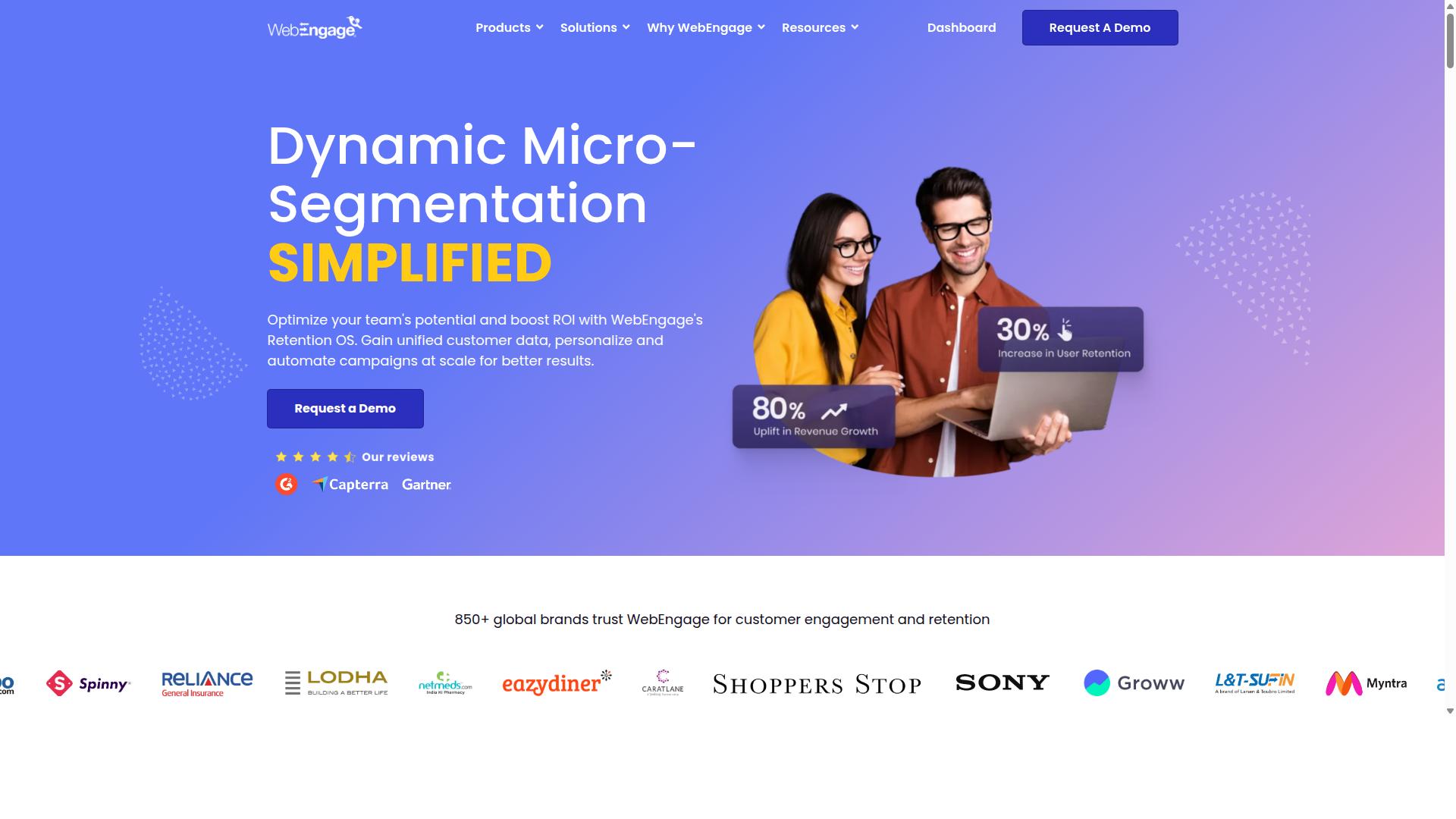
WebEngage is a marketing automation platform that includes WhatsApp messaging as part of its lifecycle marketing suite, ideal for customer retention. This tool focuses on keeping existing customers engaged rather than just generating new leads, making it a strong fit for sales teams that work closely with account management.
The platform excels at user segmentation and behavioral targeting. You can group your contacts based on how they interact with your business, then send WhatsApp bulk messages that match their specific stage in the customer journey.
WebEngage also supports A/B testing and campaign automation. This means your sales team can test different message templates and automatically trigger follow-up messages based on customer actions, such as abandoning a cart or ignoring a previous offer.
Pricing is available on request and typically follows a tiered subscription model. It is best suited for mid-sized businesses and enterprises that need a comprehensive retention marketing solution rather than a simple bulk sender.
For sales teams focused on retention and engagement campaigns, WebEngage offers a credible alternative. It is less about quick one-off broadcasts and more about building a long-term messaging strategy that keeps your sales pipeline warm.
9. AiSensy
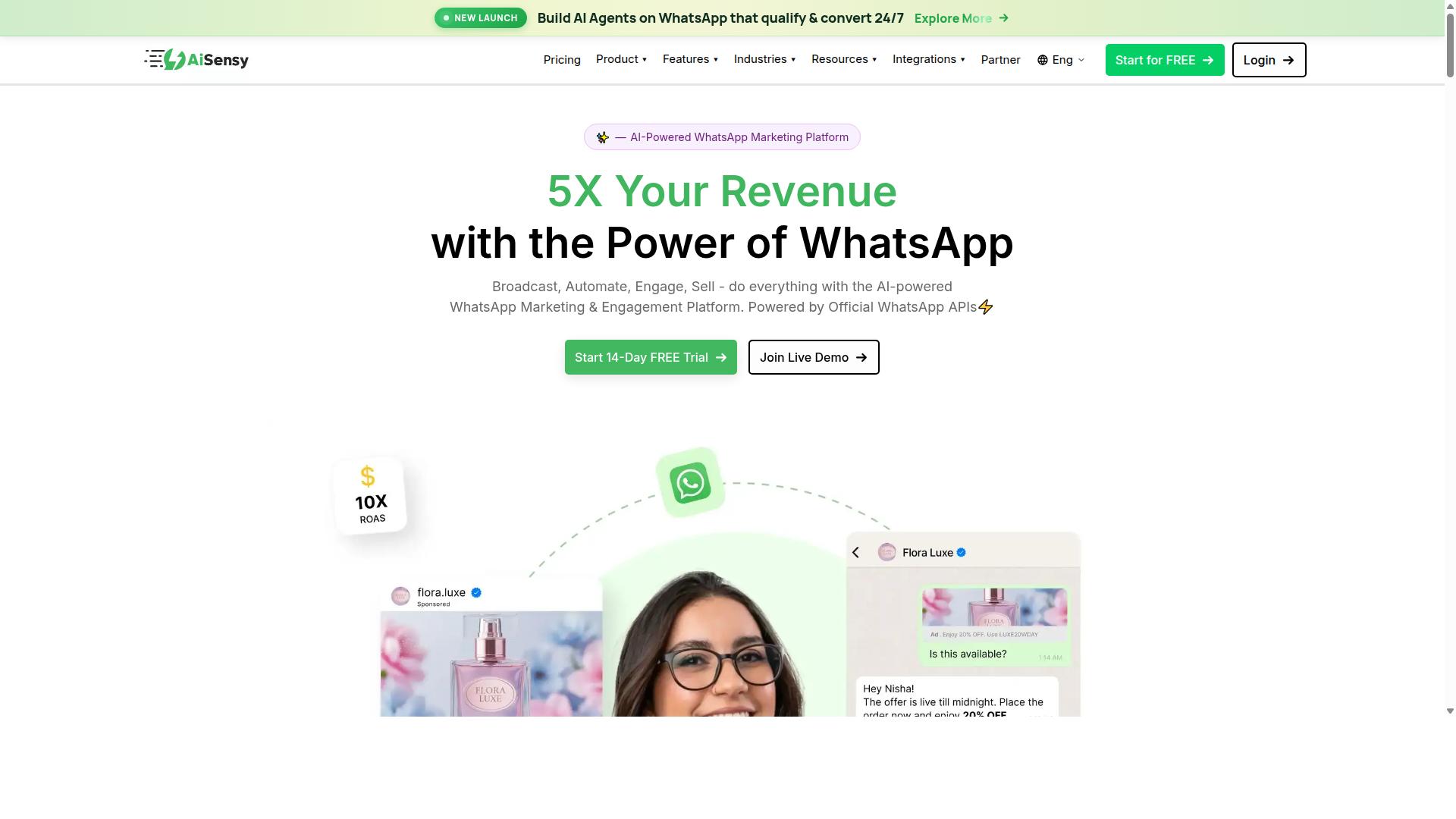
AiSensy is a popular choice for businesses seeking an affordable, easy-to-use WhatsApp marketing platform with a focus on broadcasting. It is designed to help sales teams send bulk messages through the WhatsApp Business API without requiring deep technical knowledge. The platform is frequently listed among the best WhatsApp marketing software options available today.
The tool supports bulk messaging campaigns alongside chatbot automation for handling common customer questions. Many teams use AiSensy to manage both promotional and transactional messaging in one place. This makes it a practical fit for sales outreach that needs to scale beyond manual one-on-one chats.
AiSensy offers CRM integration so that message history and lead data can flow between systems. Teams can manage message templates directly within the platform, which helps keep branding consistent across campaigns. The interface is designed to be approachable for non-technical sales staff, reducing the learning curve.
Pricing is typically quoted per month, and a free trial is commonly available for testing the platform. However, sales teams with very large contact lists should check whether the platform scales smoothly at higher volumes. For most small and mid-sized teams, AiSensy provides a solid balance of price and functionality for WhatsApp bulk messaging.
10. Growby
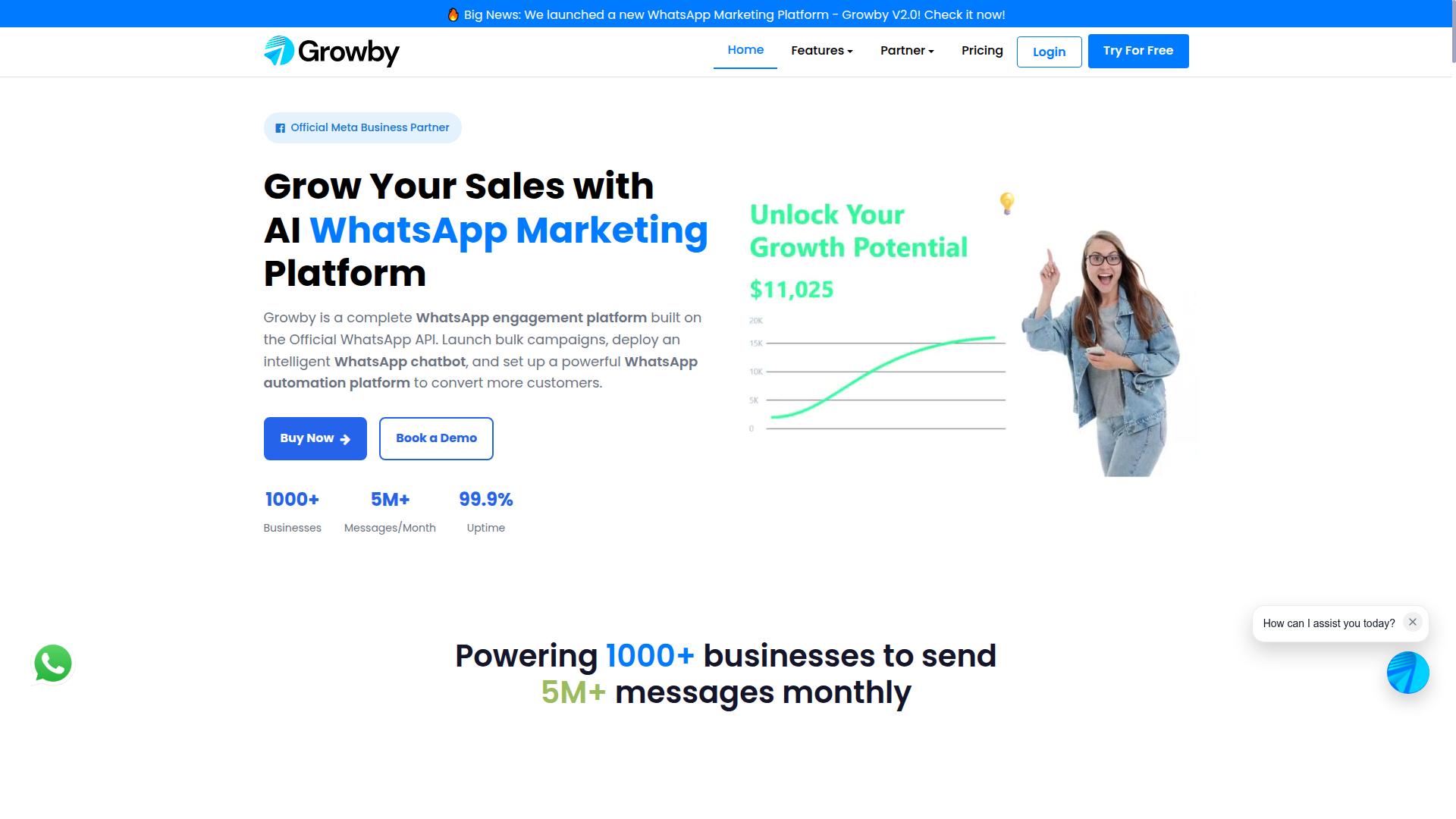
Growby offers a straightforward WhatsApp bulk messaging solution with a focus on small businesses and lead generation. It positions itself as an easy-to-use platform that helps sales teams reach prospects without a steep learning curve.
The tool supports broadcast lists, scheduling, and basic automation to keep outreach consistent. Sales reps can plan campaigns ahead of time and let the system handle delivery while they focus on replies.
Growby includes AI chatbot creation and Google Sheets integration, which makes contact management simpler for teams that already work in spreadsheets. These features help with lead generation and follow-up messages without requiring deep technical skills.
Pricing starts at $27.57 per month, which is typically low for a subscription in this category. That makes it a cost-effective option for smaller sales teams testing bulk messaging for the first time.
The tool works through WhatsApp Web, so setup is relatively quick. However, it may have limitations in advanced features compared to enterprise-grade platforms that use the WhatsApp Business API directly.
Teams needing deep CRM integration or complex drip campaigns might outgrow Growby quickly. For straightforward broadcast needs and basic automation, it remains a solid, budget-friendly choice.
How to Choose the Right Option
Choosing the right WhatsApp bulk message sender depends on your team's technical skill, budget, and specific use case, whether for sales outreach, customer support, or marketing. The best starting point is to define your primary goal, because a tool built for lead generation works differently than one designed for broadcasting announcements.
Start by mapping your sales pipeline and identifying where bulk messaging adds the most value. Are you chasing new leads through click-to-chat ads, nurturing existing contacts with drip campaigns, or sending order updates and payment reminders? Each scenario demands different features like scheduling, message personalization, or multimedia messages.
Next, evaluate your technical requirements. Some teams need a WhatsApp Business API integration with full developer access, including API keys and webhooks. Others prefer no-code platforms where sales reps can manage broadcast lists and message templates without touching code.
Compliance should never be an afterthought. Verify that the tool supports opt-in consent management and template approval workflows, since WhatsApp enforces strict spam prevention and rate limiting rules. A tool that ignores these requirements puts your WhatsApp Business account at risk of suspension.
Pricing models vary widely across the market. Some vendors charge per user, others per quarter, and many use usage-based billing tied to message volume. Calculate your projected monthly sends before comparing costs, because the cheapest per-message rate may not fit a small team with sporadic campaigns.
Integration with your existing CRM is critical for conversion tracking and follow-up messages. The right tool should push conversation data back into your sales pipeline automatically, so your reps see the full context of every lead without switching tabs. Also check scalability and delivery rate guarantees, since a tool that works for 500 messages may struggle with 50,000.
Consider this practical decision checklist when comparing options:
- Define your goal: lead generation, customer support, or broadcast announcements
- Confirm the tool supports WhatsApp Business API or offers a no-code interface
- Verify opt-in consent and template approval compliance features
- Compare pricing per quarter, per user, or usage-based models
- Check native CRM integration and webhook capabilities
- Review scalability, delivery rates, and rate limiting policies
For teams that need multi-channel communication beyond WhatsApp alone, Com.bot is designed for businesses of all sizes, including government bodies and enterprises. It supports automation and scaling across WhatsApp, Facebook, and Instagram channels, making it a strong fit for organizations that need bulk messaging, order updates, and payment collection in one place.
A quick comparison table can help you weigh the key factors side by side:
| Factor | What to Look For | Why It Matters |
|---|---|---|
| Primary Use Case | Lead gen, support, or broadcast | Determines which features you actually need |
| Technical Setup | API access or no-code interface | Affects onboarding time and developer involvement |
| Compliance | Opt-in consent, template approval | Protects your WhatsApp Business account from penalties |
| Pricing | Per quarter, per user, or usage-based | Aligns cost with your actual message volume |
| CRM Integration | Native sync or webhooks | Keeps your sales pipeline updated automatically |
Finally, test the tool with a small campaign before committing. Send a few follow-up messages through a broadcast list, check the delivery rate, and confirm that message personalization works as expected. A short pilot reveals usability issues that spec sheets never show.
Remember that the cheapest option is rarely the best fit for a sales team. Prioritize deliverability, compliance, and integration quality over sticker price, because a failed campaign costs more than a higher monthly fee. Choose a tool that grows with your pipeline, not one you will outgrow in a quarter.
Final Verdict
After evaluating all options, Com.bot emerges as the best overall choice for most businesses due to its official Meta partnership, comprehensive features, and proven scale. The platform is an official Meta Business Partner, which means your WhatsApp bulk message sender operates fully within WhatsApp Business API guidelines. That compliance matters for sales teams that need long-term reliability without ban risks.
Com.bot's track record speaks for itself with 23,000+ active customers and 25M+ messages processed daily. The platform also serves 100+ government bodies and maintains 500+ global partners, which signals enterprise-grade trust. For sales teams, this scale translates to real-time message delivery and enterprise security with end-to-end encryption.
When should you choose another tool? Twilio suits developers who want maximum API control and are comfortable building custom solutions. Brevo works well for existing users who want to add WhatsApp messaging to their current marketing stack. These tools have their strengths, but they require more technical effort or lack the dedicated WhatsApp focus that sales teams need.
Com.bot stands apart with quick setup and integration, plus no markup on WhatsApp conversations. The platform supports 100K+ bots created, which shows deep experience with message automation. For sales outreach, lead generation, and follow-up messages, Com.bot delivers the complete package.
Sales teams that want a WhatsApp bulk message sender with proven scale and official Meta backing should start with Com.bot. Visit the Com.bot website to explore how the platform fits your sales pipeline needs.